Published
- 19 min read
Oura Ring 4 Review: Best Smart Ring on the Market — With a $70 Asterisk
Curated by Nova · vibespecs
⭐ My editorial rating: 4.0 / 5 — how I rate →
Heads up: This is an editorial review compiled from verified Amazon reviews, manufacturer specifications, and named editorial coverage from Engadget and Tom’s Guide. The rating above is my own editorial rating, not an average of Amazon’s stars. It contains Amazon affiliate links — if you buy through them I earn a small commission at no extra cost to you. The picks are based on what the data says, not on sponsorship; no brand paid for or pre-approved this post.
There’s a verified Amazon review of the Oura Ring 4 that captures the tension at the center of this product better than any editorial headline: a buyer who admits he got caught up in the hype, says the ring works great and he likes it — and adds that it isn’t all it’s cracked up to be, because if you already have a smartwatch you’ll get much the same effects.
That review is a positive one. The buyer liked the ring. He still wrote that line.
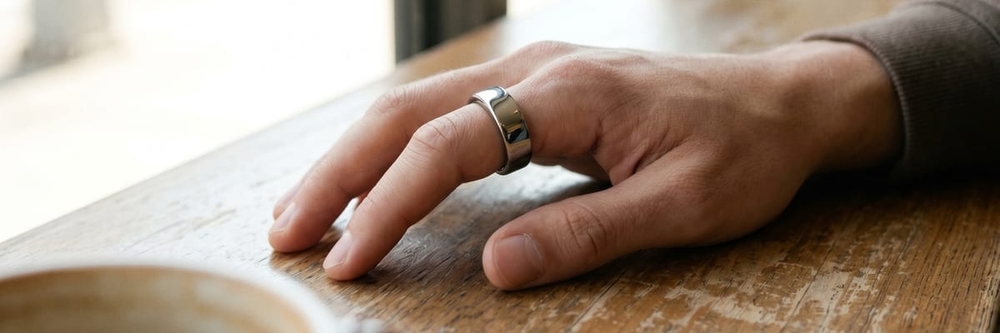
That’s the Oura Ring 4 in a sentence. It’s the best smart ring on the market — Engadget gave it 89/100 and the headline “the best smart ring on the market.” Tom’s Guide called it “the new gold standard for smart rings.” The all-titanium body with recessed sensors (a real Gen 4 upgrade over the Gen 3 epoxy interior) is genuinely refined. The 7-day battery delivers. The Oura app is mature in a way no competitor has matched.
And the Oura Ring 4 comes with a ~$70/year subscription that paywalls every single core insight the ring is sold on. No subscription means no Readiness Score, no Sleep Score, no Activity Score, no HR detail, no temperature trends, no SpO2 graphs, no cycle tracking, no VO2 Max. The ring still tracks the data; the app just won’t show you most of it.
The 7,600+ Amazon reviews tell the same story the editorial coverage softens — and the sentiment runs cooler than the editorial scores. Smart-ring buyers are spread across two camps: the ones for whom the Oura subscription is a fair trade for the best ring on the market, and the ones who feel the subscription gate makes a $350 ring into a $350 paperweight in a year if you stop paying.
This is the post that helps you figure out which camp you’re in. Here’s the breakdown.
First Impression: What Buyers Notice on Day One
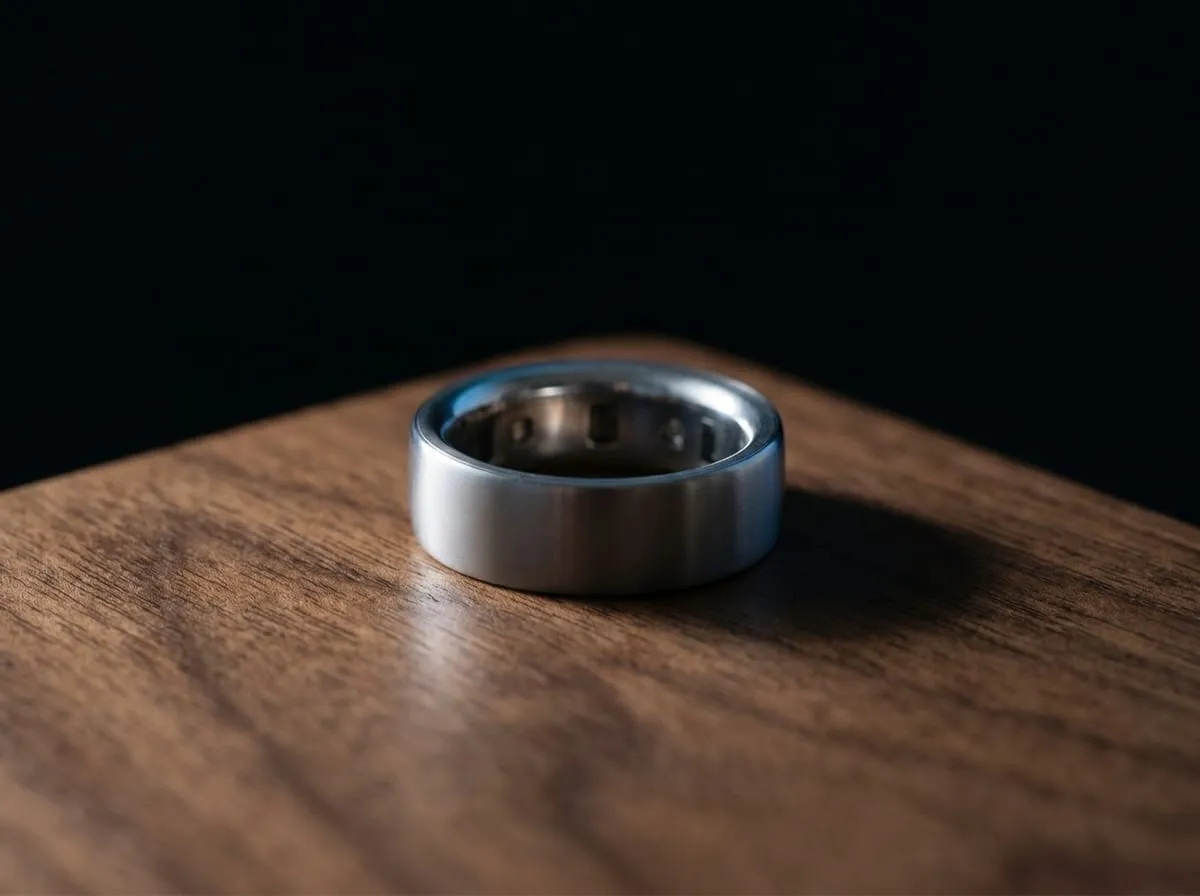
The first thing buyers mention is what’s NOT there. The Oura Ring 4 is the first generation with all-titanium construction including the inner band — the Gen 3 had an epoxy interior that some buyers found uncomfortable on long wears. The Gen 4 recessed-sensor design eliminates the inner-surface bumps that the Gen 3 had. Tom’s Guide called out the comfort improvement specifically. For sleep tracking — where the ring is on the finger 8+ hours a night — that comfort upgrade is the difference between wearing the ring all year and quietly retiring it to a drawer after month two.
The second thing is the form factor. People describe forgetting it’s on their finger. Unlike an Apple Watch or a Garmin Forerunner, a smart ring disappears visually under a long sleeve or in a meeting. Buyers frame the gift reaction: one bought the Oura Ring 4 as a Christmas gift for a 20-year-old son, and it quickly became one of his favorite gifts.
The third thing is the battery. The same buyer whose critical line anchors this review is positive on it — he reports the rated six days holding up to six days in practice, charging just once a week.
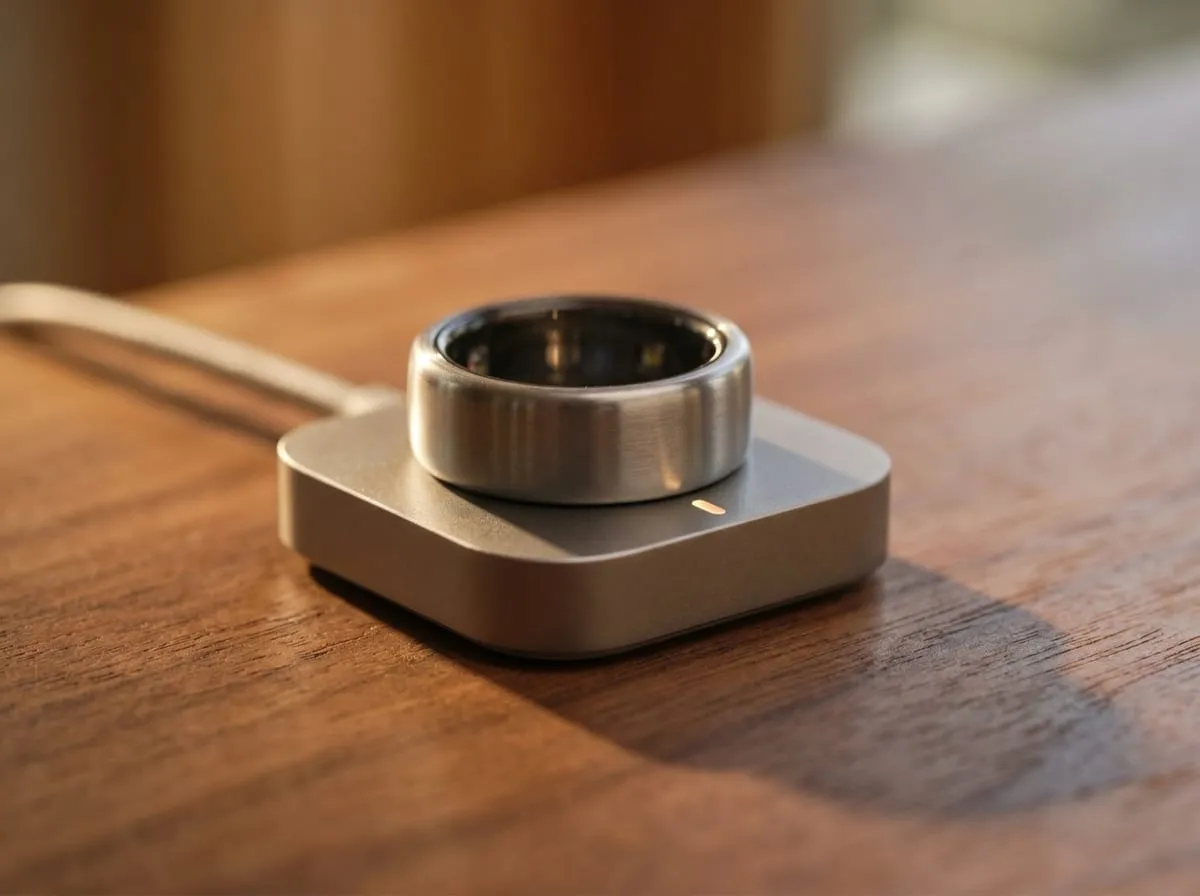
Six to seven days of real-world battery (Engadget’s long-term review put it at “nearly a week”). The included puck-style charger handles a full ring in ~80 minutes. For comparison, an Apple Watch needs daily charging; the Oura Ring 4 charges once at the start of the work week.
The setup process is straightforward: download the Oura app, scan the ring, enter your sizing details (Oura ships a free sizing kit before you buy; order it first), and the ring begins recording immediately. The subscription gate appears here — and the next section gets into what that means.
The Subscription — What $70 a Year Actually Unlocks
This is the section the brand’s product page doesn’t lead with and every honest review has to.
Oura Membership is ~$6/month or ~$70/year. It’s billed separately from the ring purchase (the ring itself is a one-time ~$350 + tax). The first month of membership is included free with a new ring; after that, every core feature gates behind the subscription.
What the subscription unlocks (this is what makes the ring useful):
- Readiness Score — daily readiness combining sleep, HRV, body temperature, and recent activity
- Sleep Score — sleep stages, REM/deep cycles, sleep efficiency, sleep regularity
- Activity Score — daily movement, calorie burn, recovery balance
- Heart Rate detail — resting HR, HRV, continuous HR during workouts
- Body Temperature trends — multi-day trend graphs (the cycle-tracking + illness-detection signal)
- SpO2 / blood oxygen — overnight readings + trend
- VO2 Max estimation — cardiorespiratory fitness score
- Cycle Insights — period prediction, ovulation window
- AI Advisor — natural-language chat with your own data
- Live Heart Rate during workouts — real-time tracking
- Tags + custom labels — annotate days/events
What works WITHOUT the subscription: the ring records all of the data and stores it locally. You can see that you slept; you can’t see how well or in what stages without the subscription. Step count and a basic activity summary are free. Everything else is gated.
Engadget’s Daniel Cooper framed the subscription bluntly:
“$70 a year is, to be blunt, your insurance ensuring that Oura doesn’t go belly-up, turning your smart ring into a dumb one.”
That’s the deal. $70/year keeps the ring useful. Some buyers are in the resigned camp — a few bucks a month strikes them as no big deal. Others, including the buyer who otherwise liked the ring, are unimpressed. The cooler-than-editorial Amazon sentiment reflects the friction the subscription introduces: buyers expecting a one-time-purchase tracker are surprised.
Math vs. competing wearables (5-year ownership cost):
- Oura Ring 4 + 5 years subscription: ~$350 + (~$70 × 5) = ~$700
- Apple Watch Series 10 + 5 years (no subscription): ~$400-$500
- Whoop 4.0: $0 device + $30/month membership ($1,800 over 5 years — but the device is included)
The Oura math sits between Apple’s hardware-only model and Whoop’s full-subscription model. If the subscription bothers you on principle, the Whoop is the more honest version of the same model (no hardware cost, all subscription). If you’d rather pay once and own the device outright, an Apple Watch is the cheaper long-term call.
For buyers who specifically want a smart ring (not a smartwatch), the Oura is the only fully-mature option. Samsung Galaxy Ring (~$400, no subscription) is the closest direct competitor, but the Samsung app ecosystem isn’t as mature for ring-specific insights, and the ring’s first-gen sensor accuracy still lags Oura.
Use #1: Sleep Tracking — The Anchor Use Case
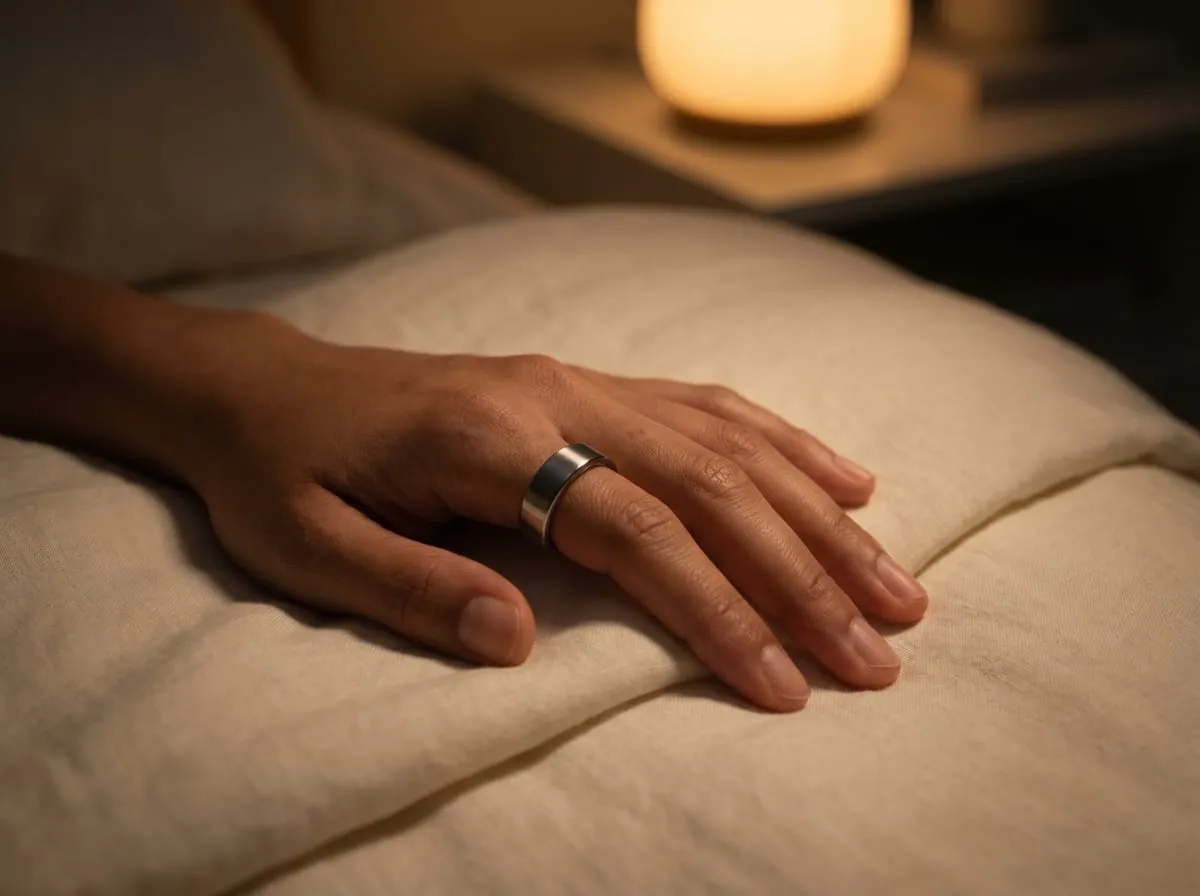
Sleep tracking is the use case Oura built its reputation on. It’s where the ring out-performs every smartwatch on the market.
The reason is anatomical. A smartwatch sits on the wrist over the radial artery — the signal is weak, distance-noisy, and easily disrupted by wrist movement. The ring sits on the finger, where the underlying vasculature is closer to the surface and the sensor coverage is full-circumference. For HRV (heart rate variability — the strongest sleep-quality biomarker), body temperature, and overnight SpO2, the ring is structurally more accurate than a watch.
One buyer frames the personal medical value: after more than 13 years of poor sleep from spine and shoulder injuries — and feeling that providers never quite believed her — she describes the ring capturing apneic events she hadn’t known she was having, and confirming just how little she actually sleeps.
That account is one of the strongest data-credibility cases in the entire Oura review set. A buyer who suspected she was under-sleeping for over a decade, whose doctors didn’t believe her, used Oura data to confirm her experience and bring objective evidence to medical appointments. That’s the high-value use case the brand markets and the data delivers.
The sleep stages Oura tracks (with subscription): light, deep, REM, awake, plus sleep efficiency (% of time in bed asleep). The body temperature trend over multiple nights is the underrated signal — a sustained 0.5°F+ elevation can flag oncoming illness 24-48 hours before symptoms, which one buyer captures viscerally: about three weeks in, the app flagged “major warning signs” one Sunday morning — and a few hours later a hard bout of stomach illness hit and didn’t let up all day, the warning easing back the next day as he recovered.
The illness early-warning is real and reviewer-confirmed. It’s not a diagnostic medical device — Oura is explicit about that — but the temperature-trend signal is the strongest case for ring-versus-watch in this category.
Use #2: Daily Readiness — The Decision-Making Use Case
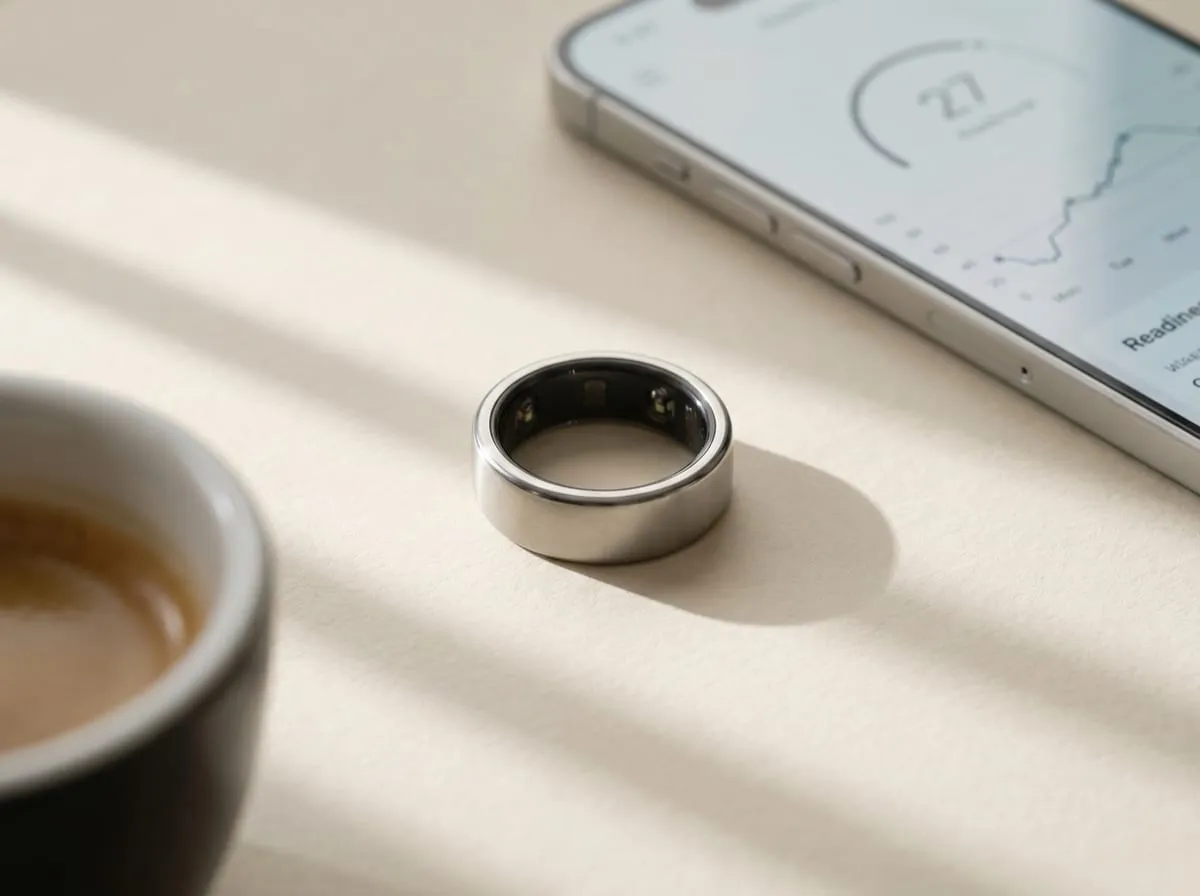
The Readiness Score is the daily output Oura users describe checking first. It combines sleep, HRV, body temperature, and recent activity into a single 0-100 number that answers “how recovered are you today?”
The practical use case is decision-making. A Readiness of 85+ is a green light to push hard in a workout, take on a heavy work day, or push a deadline. A Readiness of 60- is a signal to do a recovery day, skip the gym, or reschedule the high-stakes meeting if possible. For people who train hard or work demanding schedules, having a single objective input to that “should I push or should I rest” decision is the highest-leverage feature in the Oura app.
This is also the feature that distinguishes Oura from a smartwatch for many buyers. An Apple Watch shows you the same underlying data (HRV, sleep stages, body temperature) but doesn’t synthesize it into a single readiness signal. Oura’s algorithm is more mature here than any direct competitor — Tom’s Guide specifically called out the “comprehensive Oura app experience” as the differentiator.
The AI Advisor (subscription-gated) is the newest addition. It’s a natural-language chat layer over your own data — ask “why was my readiness low yesterday?” and it pulls the contributing factors (sleep efficiency 64%, HRV down 12ms vs. baseline, body temp +0.4°F). For users who don’t want to read the trend graphs themselves, the AI Advisor is the user-friendly interface.
The Honest Negatives
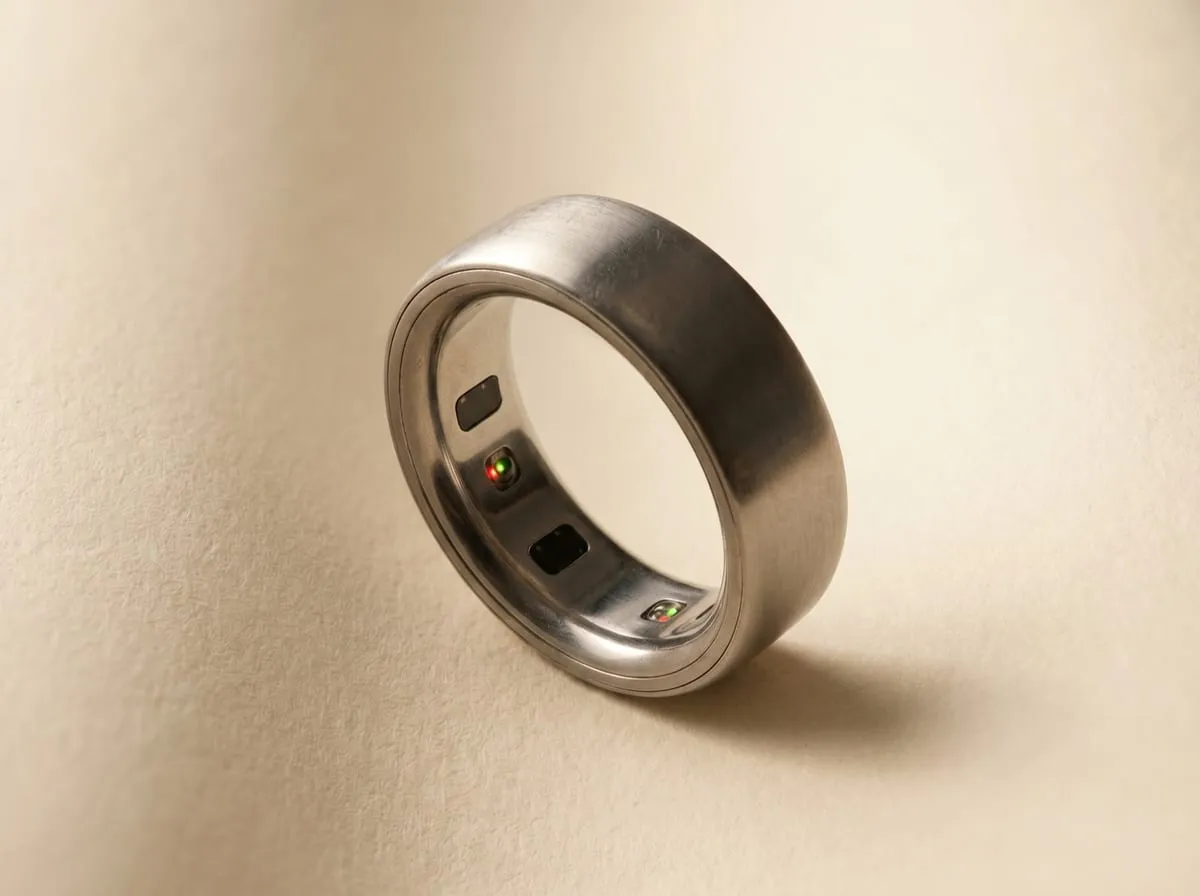
Four frictions show up across the verified Amazon set that the brand’s product page doesn’t lead with:
The subscription is the primary friction. $70/year recurring on top of a $350 device. The buyer who likes the ring is the cleanest articulation — he got caught up in the hype, the ring works great and he likes it, but it isn’t all it’s cracked up to be, and a smartwatch owner gets much the same effects.
For buyers who already have an Apple Watch or Garmin and use the sleep/HRV features there, the Oura’s incremental insight is real but marginal. Sleep stages on a modern Apple Watch are reasonably accurate. HRV is on every Garmin. The ring’s edge is the comfort + form factor + slightly tighter sensor signal — those are real but not transformational. That review is the most honest version of that take in the entire set.
Sizing risk despite the kit. Some buyers still land on the wrong size — one likes the ring and the sleep tracking but ended up with one that runs too small.
Oura ships a free sizing kit before purchase, but finger size fluctuates ±0.5 ring sizes throughout the day (hot vs. cold weather, water retention, time of day). The kit helps; it doesn’t eliminate the sizing risk. Order the sizing kit and wear the trial sizers for 24 hours including overnight before purchasing. The Oura support team will exchange a size mismatch in the first 30 days, but the friction is real.
Smartwatch redundancy for existing wearable owners. One buyer who later became a convert almost returned hers — she’d planned to send it back because she already had an Apple Watch and it seemed redundant.
The decision to buy an Oura when you already have an Apple Watch / Garmin / Fitbit is the highest-friction conversion. The ring adds real signal (sleep + temperature trends specifically), but the Apple Watch / Garmin user has to specifically decide the marginal insight is worth $350 + $70/year. For new wearable buyers with no prior device, the math is cleaner.
Review sentiment runs cooler than competing wearables. Across the 7,600+ Amazon reviews, the Oura’s overall sentiment sits below most $300+ wearables — and it’s driven almost entirely by the subscription friction. Buyers who understood the model going in are firmly satisfied; buyers who didn’t expect the gate are the ones leaving the critical reviews.
None of these are deal-breakers if you go in clear-eyed. All four are honest pre-purchase points the brand under-discloses.
Head-to-Head: vs. Apple Watch, Garmin, and Samsung Galaxy Ring
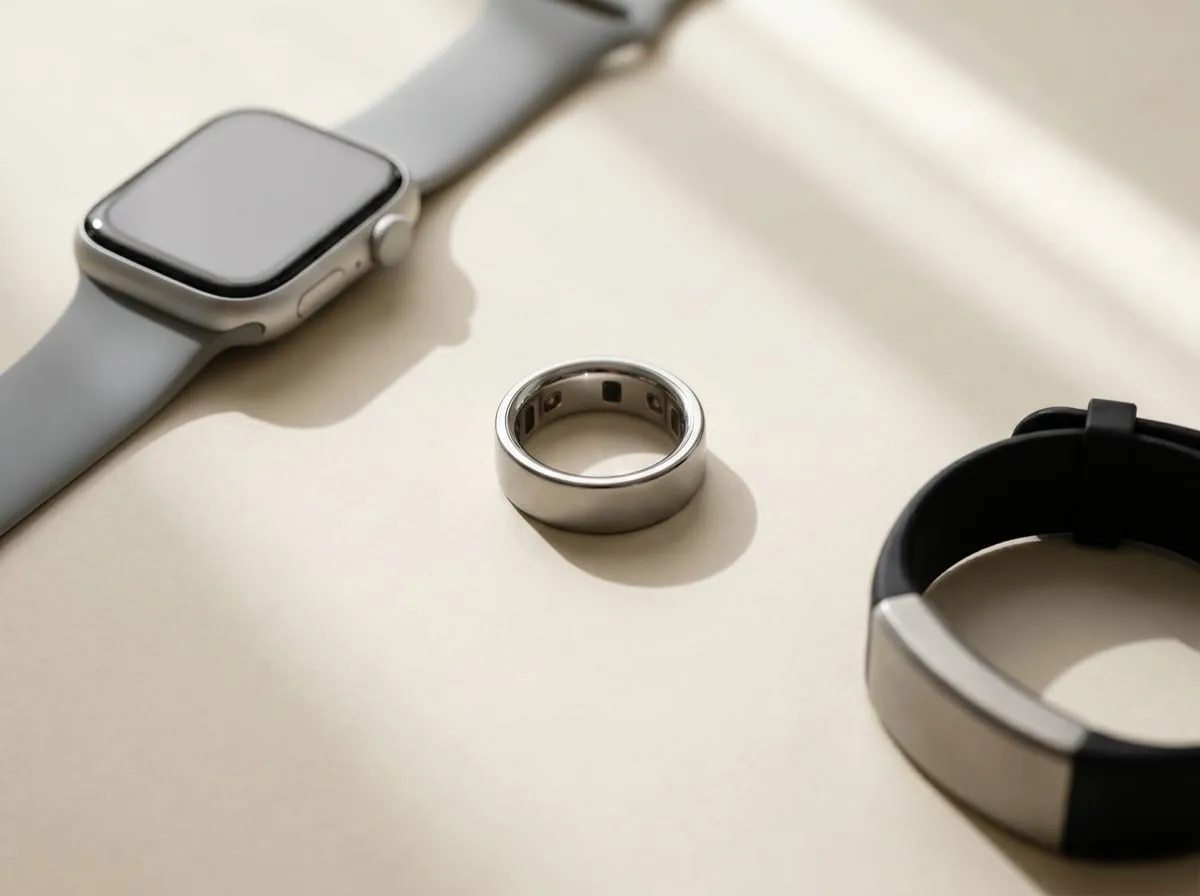
Oura Ring 4 (~$350 + $70/yr): Best smart ring. Best sleep + HRV + body temperature signal. Worst-in-class business model (subscription gate). 7-day battery. Discreet form factor. Mature app + AI Advisor. Engadget 89/100.
Apple Watch Series 10 (~$400, no subscription): Best smartwatch ecosystem. Solid sleep tracking (improved substantially in watchOS 11). HRV + temp trends included. Notifications + apps + LTE add real utility the ring can’t. Loses on form factor (visible, daily charge) and on the depth of the Oura app’s recovery synthesis.
Garmin Forerunner 265 (~$450, no subscription): Best for serious training. Multi-week battery in smartwatch mode, multi-day with GPS. Strong sleep + HRV + recovery metrics. Less mature consumer-friendly interface than Oura — Garmin’s data is great, the readiness narrative isn’t as polished.
Samsung Galaxy Ring (~$400, no subscription): Closest direct competitor in form factor. No subscription is the headline differentiator. The Samsung Health app is less mature than Oura for ring-specific insights — temperature trending and HRV depth still lag. For Samsung phone owners who don’t want a subscription, this is the right call; the data is solid, the analysis layer is younger.
Whoop 4.0 ($30/mo, device included): The honest subscription model. Strap form factor on the wrist. Best-in-class HRV-driven recovery for athletes specifically. No ownership of the device — when you stop paying, the device goes back. The Oura’s hybrid model (hardware purchase + subscription) sits between Whoop’s pure-subscription and Apple’s pure-hardware models.
For sleep tracking specifically: Oura wins. For all-day fitness + notifications + ecosystem: Apple Watch. For serious endurance training: Garmin. For ring form factor without the subscription: Samsung Galaxy Ring.
Features Breakdown
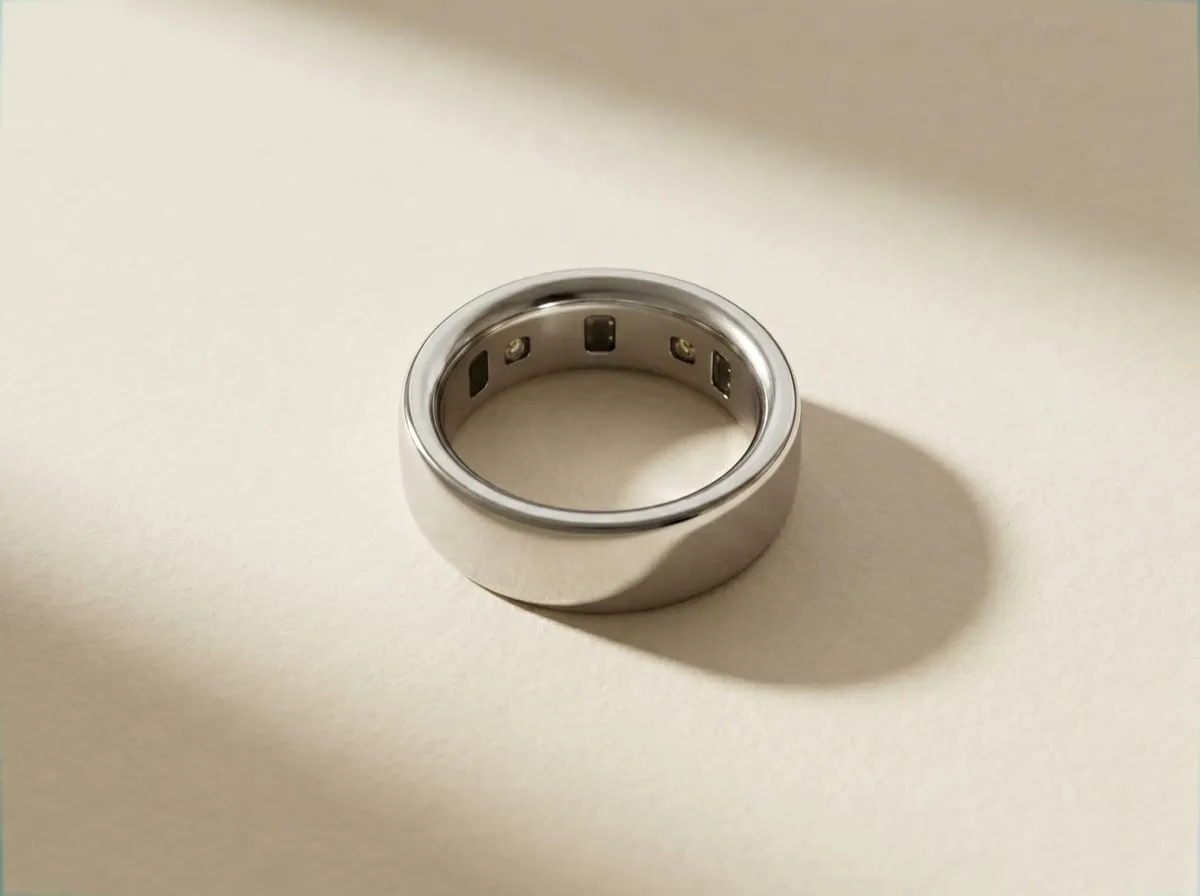
The hero specs:
- All-titanium build with recessed sensors — New for Gen 4. Eliminates the Gen 3 epoxy interior. Substantially more comfortable for overnight wear.
- 7-day battery — Real-world ~6-7 days, reviewer-confirmed. Once-a-week charging cadence.
- Multi-sensor stack — Heart rate, HRV, SpO2, body temperature, accelerometer.
- Oura app — iOS + Android, mature, multi-year-refined. AI Advisor (natural language) layered on top.
- Free sizing kit — Order before purchase; trial-wear the sizers including overnight to confirm fit.
- Color options — Silver, Black, Stealth (matte), Gold, Rose Gold (this review covers Silver / Brushed Titanium specifically).
- Charging puck — Wireless inductive, ~80 min from empty to full.
- Water resistance — Up to 100m (showering, swimming, sweating all fine).
- App connectivity — Apple Health + Google Fit sync.
Notable absences (the honest ceiling):
- No standalone display (data lives in the app, not on the ring)
- No GPS (the phone provides location during workouts)
- No standalone music control (use the phone)
- No notifications / call alerts (a smartwatch handles these)
- No third-party app ecosystem (Oura is a closed app — no Strava-style developer integrations)
- No core insights without the subscription (the central friction)
The ring is intentionally minimal. If you want notifications, GPS, music, an ecosystem, get a smartwatch. The Oura is specifically a body-data-collection device with an analysis app — that’s it.
Is It Worth ~$350 Plus $70 a Year?
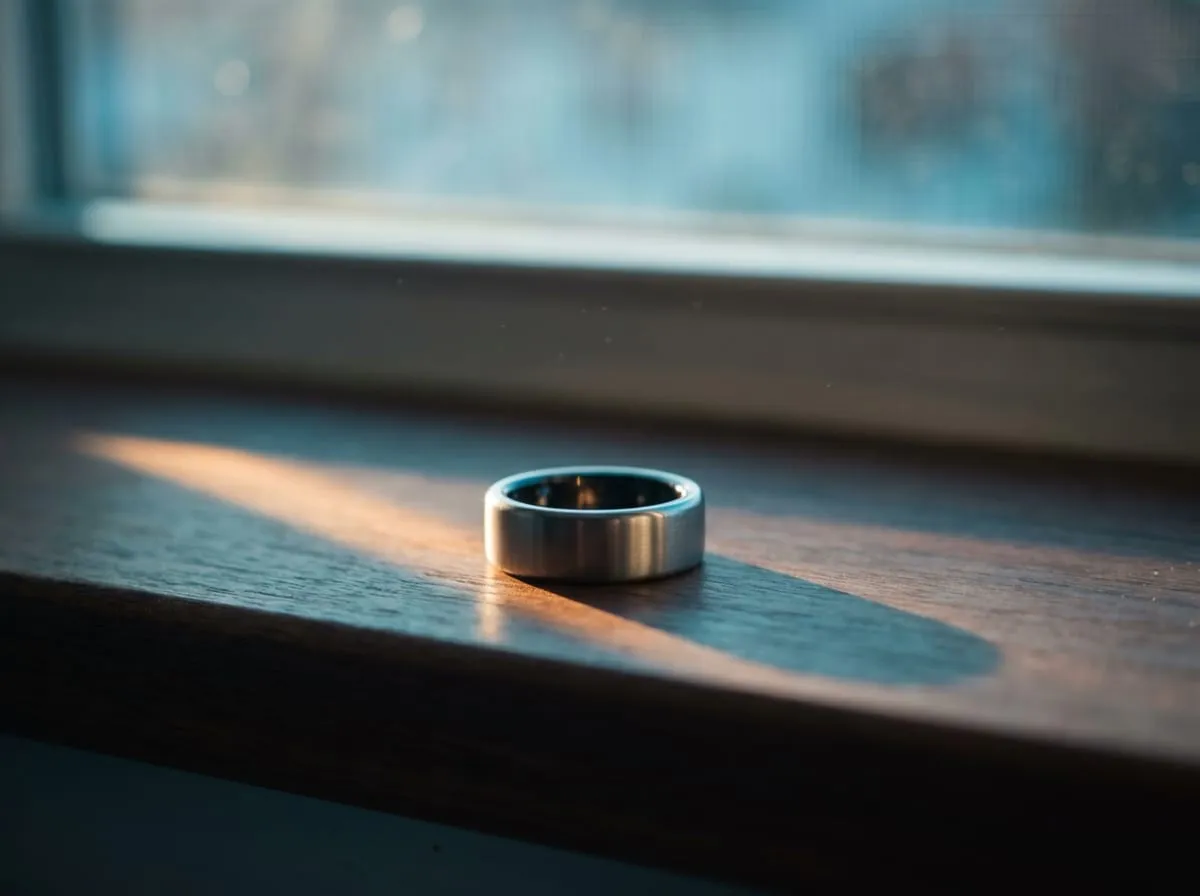
The math depends entirely on what you value.
Yes, if you:
- Specifically want the highest-quality sleep + HRV + body temperature signal available
- Don’t want to wear a watch (form factor preference)
- Value the comfort of the all-titanium recessed-sensor build for overnight wear
- Will use the Readiness Score for daily training/recovery decisions
- Find $70/year subscription cost acceptable for ongoing app development and data retention
- Have no other wearable currently (cleaner conversion math)
No, if you:
- Already own an Apple Watch / Garmin / Fitbit you actively use
- Refuse subscriptions on principle
- Need notifications / GPS / music / standalone display (get a smartwatch)
- Want a ring without the Oura business model (consider Samsung Galaxy Ring)
- Want endurance training depth specifically (consider Garmin Forerunner)
- Are put off by the cooler Amazon review sentiment (the subscription is the cause)
For buyers comparing other premium-Tech-with-an-asterisk products in the same category, the Keychron K2 HE review covers the keyboard equivalent (Hall Effect feature parity with SteelSeries Apex Pro, honest 1000Hz polling caveat instead of 8000Hz). The Oura Ring 4 is also featured in the broader Best Tech Gifts For Him 2026 roundup alongside the rest of the wearables, audio, and desk lineup.
The Oura Ring 4 is the best version of the smart-ring category that currently exists. It’s also a ~$350 + $70/year commitment to a specific business model. Go in informed.
How we scored the Oura Ring 4 — 4.0 / 5
My rating isn’t an average of anyone’s stars — it’s an editor’s read across the things that actually decide whether a smart health ring earns its spot — weighed from the feature set, the published specs, the free-vs-paid structure, and the themes that recur across owner feedback. Here’s how the Oura Ring 4 landed:
| What we weighed | Call | Why |
|---|---|---|
| Core tracking accuracy | Excellent | Finger-mounted, full-circumference sensors give a cleaner HRV, body-temperature, and overnight SpO2 signal than any wrist wearable, and owners credit it with catching apneic events and flagging illness a day before symptoms hit. |
| Comfort & build | Excellent | The Gen 4 all-titanium body with recessed sensors removes the Gen 3 epoxy interior, and the discreet form factor disappears on the finger through 8-plus-hour overnight wear. |
| Battery & charging | Strong | Rated up to a week with reviewer-confirmed 6-7 days in practice, charging to full in about 80 minutes on the included puck — a once-a-week cadence versus a watch’s daily top-up. |
| App & insight depth | Strong | The mature Oura app synthesizes sleep, HRV, and temperature into a single Readiness Score plus an AI Advisor, an analysis layer competitors like Samsung’s app haven’t matched. |
| Value & ownership model | Fair | The about-$70-a-year membership gates every core insight, so the device only stays useful as long as you keep paying — and review sentiment runs cooler than competing wearables because of it. |
Why 4.0 and not a perfect 5: the subscription gate is the one structural flaw — every score the ring is sold on (Readiness, Sleep, HR detail, temperature trends, SpO2, VO2 Max) goes dark if you stop paying, and the sizing kit still lets some buyers land on the wrong fit. A clean, owned-outright experience would have earned the half-point; the recurring paywall is what holds it back.
This is my own editorial rating — not an average of Amazon’s stars. How I rate →
The Verdict
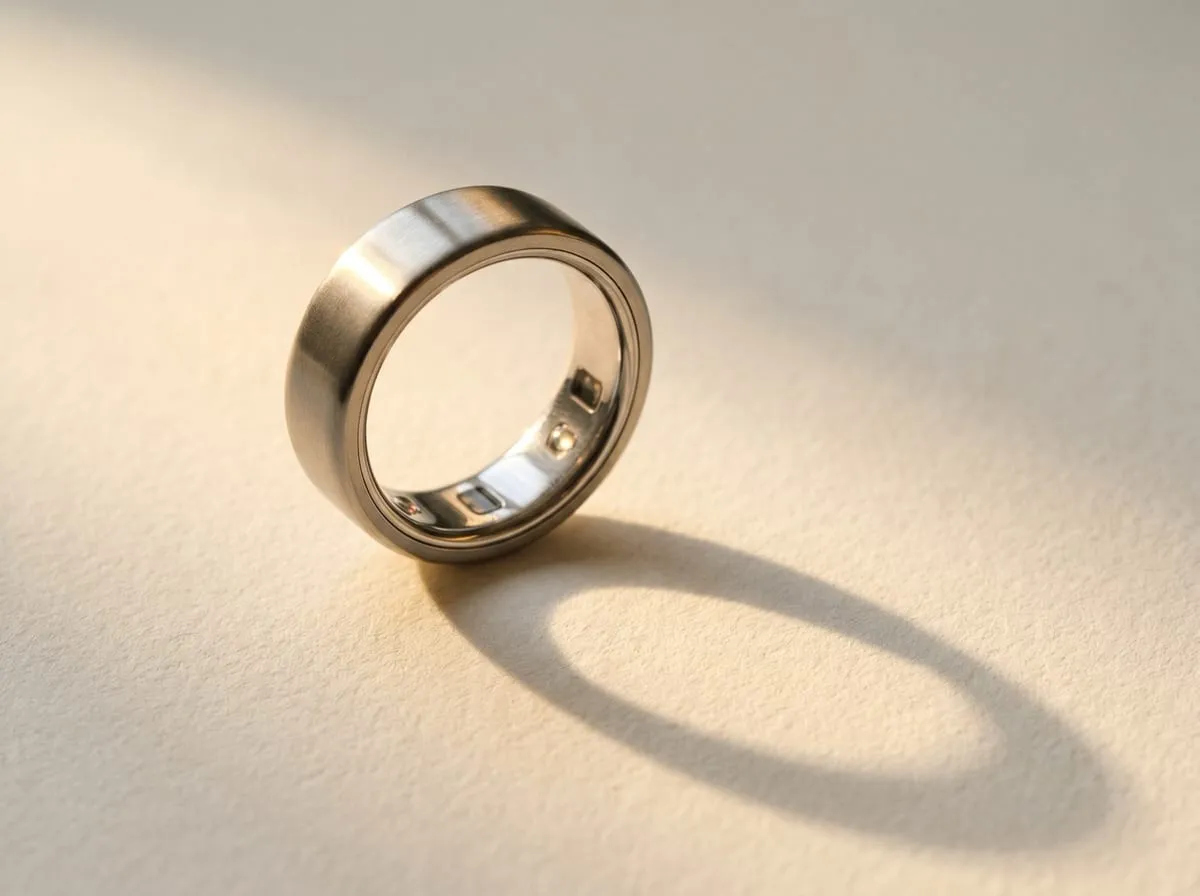
After working through the Engadget 89/100 long-term review (which framed the subscription bluntly), the Tom’s Guide “new gold standard” framing, the 7,600+ verified Amazon buyers, the medical-validation stories like the apnea-detection experience and the illness-prediction event, and the cleanest critical line in the entire review set, here’s the read: the Oura Ring 4 is genuinely the best smart ring on the market, in a category where “best smart ring” is still a real distinction. The Gen 4 all-titanium build is the right engineering upgrade. The 7-day battery and the mature Oura app deliver. The data is the best in its sensor-form-factor class.
The $70/year subscription is the friction every buyer needs to factor in. Engadget’s framing is the right one: it’s the insurance that Oura keeps developing the app and storing your data. Whether that trade is fair depends on whether you value the app and the data enough to pay for it indefinitely.
For buyers without an existing wearable who specifically want sleep + recovery data: the right call. For buyers with an Apple Watch / Garmin already in rotation: marginal upside, real cost. For buyers who hate subscriptions: get a Samsung Galaxy Ring or an Apple Watch.
That one buyer put it bluntly and he wasn’t wrong. The ring works great. It’s also not all it’s cracked up to be. Both things are true. The post you’re reading exists to help you figure out which one matters more for your specific case.
FAQ
Q: Do I have to pay for the Oura Membership? Functionally yes, if you want the ring to be useful. The ring still records data without it; the app gates every core insight (Readiness Score, Sleep Score, HR detail, body temperature trends, SpO2, cycle insights, VO2 Max, AI Advisor) behind the ~$6/month or ~$70/year membership. The first month is included free with the ring.
Q: How does the Oura Ring 4 compare to the Gen 3? The Gen 4 is a real engineering upgrade. All-titanium body (the Gen 3 had an epoxy interior some buyers found uncomfortable), recessed sensors (improved comfort + accuracy), a slightly slimmer profile, and updated app features (AI Advisor, refined Readiness algorithm). Battery life is similar to Gen 3. If you have a Gen 3 that works for you, the upgrade is comfort-driven, not feature-driven.
Q: How long does the battery last? Rated up to 8 days; real-world reviewer testing lands at 6-7 days. Charges to full in ~80 minutes on the included puck-style wireless charger. A once-a-week charging cadence is the typical pattern.
Q: Can I wear it in the shower or swimming? Yes. The Oura Ring 4 is water-resistant to 100m. Showering, swimming, sweating, and washing your hands are all fine. The ring is not designed for high-pressure activities (deep diving, jet-skiing) but covers all common water exposure.
Q: Is the sizing accurate from the kit? Mostly yes, but order the sizing kit and wear the trial sizers for at least 24 hours including overnight before purchasing. Finger size fluctuates ±0.5 ring sizes throughout the day. Oura support exchanges size mismatches in the first 30 days, but skipping the kit trial is the most common reason for returns.
Q: How does it compare to an Apple Watch for sleep tracking? The ring is structurally more accurate for sleep + HRV + body temperature signals (the finger has better vascular access for these sensors than the wrist). The Apple Watch has improved substantially in recent watchOS versions and is reasonably accurate. For sleep specifically, the Oura advantage is real but not transformational — if you already wear an Apple Watch, the incremental insight may not justify the ~$350 + $70/year cost.
Q: Where can I buy the Oura Ring 4? Available on Amazon here. Order the free sizing kit first.
Join the Nova’s Picks community 🔍
Get new honest reviews, roundups & finds first — and ask me what to buy before you do.
Join the free Facebook group →